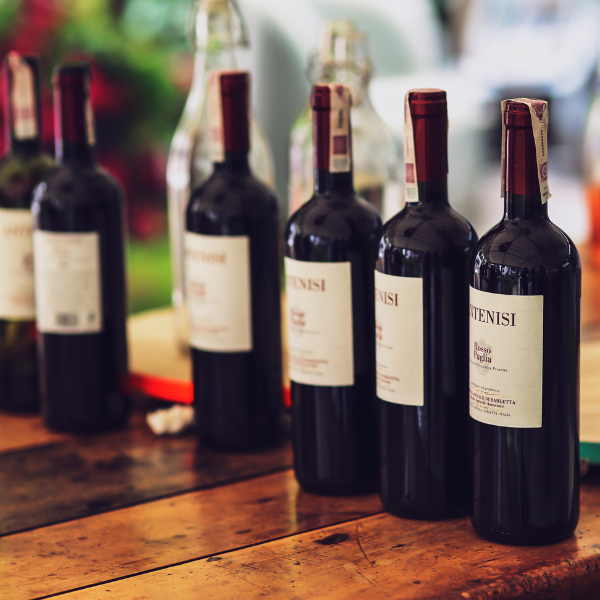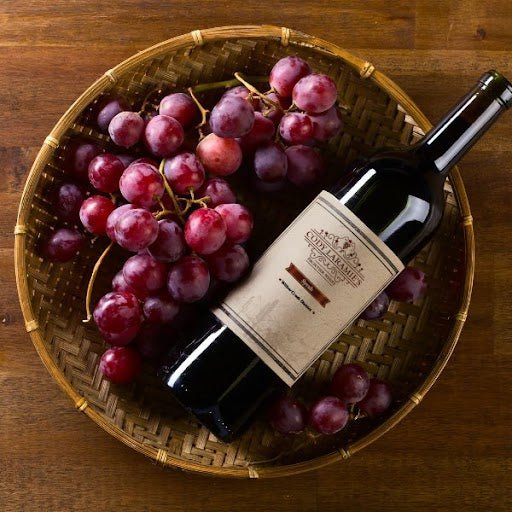


In the competitive wine industry, a compelling story is often the secret ingredient that sets a brand apart. As wine labels serve as the first point of contact between the bottle and the consumer, their design plays a crucial role in capturing attention and conveying a brand's unique narrative. Mastering storytelling in wine label design can elevate your brand presence, enhance emotional appeal, and lead to greater customer engagement. This guide explores how to weave irresistible stories into your wine labels, offering practical insights for brand teams and procurement professionals.
The Importance of Storytelling in Wine Label Design
A wine label is more than just a piece of paper; it's a canvas for narrative-driven wine labels that distill the essence of the winery's heritage, values, and aspirations. In an era where consumers crave authenticity and connection, a well-crafted story can be the key to differentiating your brand in a crowded market. By integrating unique wine label storytelling, brands can create a memorable experience that resonates on an emotional level, ultimately influencing purchasing decisions.
Consider the case of a small vineyard that decided to highlight its rich, multi-generational history on its labels. By incorporating sepia-toned images of the original vineyard and snippets of the founders' journey, they not only enhanced the emotional appeal of their wine labels but also increased customer loyalty and sales.
Techniques for Crafting Compelling Wine Label Stories
Creating an engaging wine label involves more than just selecting an attractive design. It requires strategic storytelling techniques that align with your brand identity and resonate with your audience. Here are some methods to consider:
- Highlight Heritage: Share the origins of your vineyard, emphasizing unique historical elements that set your brand apart.
- Celebrate the Craft: Detail the winemaking process, showcasing the expertise and dedication involved in creating each bottle.
- Focus on People: Introduce the people behind the wine, from grape growers to winemakers, to humanize your brand.
- Embrace the Local: Use local landscapes or cultural icons to create a sense of place and community.
These wine branding strategies can transform a simple label into a powerful storytelling vehicle, enhancing overall brand perception and consumer trust.
Integrating Storytelling with Design Elements
Once you have your story, the next step is to reflect it visually through innovative wine label ideas. The design should complement and amplify the narrative, using elements such as color, typography, and imagery strategically. Here’s how:
- Color Schemes: Choose colors that evoke the emotions or themes of your story. Earth tones might suggest tradition, while vibrant hues could convey modernity.
- Typography: Fonts can communicate tone and style. A handwritten script might suggest artisanal craftsmanship, whereas a clean sans-serif could indicate a contemporary approach.
- Imagery: Use visuals that directly relate to your story, such as illustrations of the vineyard, portraits of founders, or symbolic icons.
For instance, a winery focusing on sustainability might use recycled paper for labels and include imagery of the local ecosystem, reinforcing their commitment to environmental stewardship through thematic wine label design.
Real-World Application: Coordinating with Brand and Procurement Teams
To achieve a cohesive storytelling strategy across your wine labels, collaboration between brand, creative, and procurement teams is essential. Here’s a scenario to illustrate:
A mid-sized winery is rebranding to focus on their eco-friendly practices. The brand team develops a narrative centered around sustainability, while the creative team translates this into a visual language using green palettes and nature motifs. Meanwhile, the procurement team sources sustainable packaging materials that align with the story. This coordinated effort ensures that the brand's commitment to the environment is consistently communicated across all customer touchpoints, enhancing wine label market differentiation.
Measuring the Impact of Storytelling on Wine Sales
Effective storytelling not only enriches the customer experience but also drives sales. To measure the impact of your storytelling efforts, consider the following metrics:
- Sales Data: Track sales before and after implementing new label designs to assess direct impact.
- Customer Feedback: Gather insights through surveys or social media to understand consumer perceptions and engagement.
- Brand Loyalty: Measure repeat purchase rates and customer retention as indicators of storytelling success.
By analyzing these metrics, brands can refine their wine label communication strategy, ensuring that their stories continue to resonate and drive growth.
Conclusion
Storytelling is a powerful tool in the wine industry's branding arsenal. By integrating engaging narratives into your custom wine label design, you can enhance your brand's appeal, foster consumer connections, and drive sales. For brand teams and procurement professionals looking to elevate their packaging strategies, storytelling offers a pathway to differentiation and success. Explore the possibilities with Customizable.com, where expert guidance and innovative solutions await to transform your brand’s narrative into a compelling visual experience.